|
Celebrating 120 years of history since its original opening in 1888, the Casa Monica Hotel invites you to delve into its exciting past and become part of the history yourself with an inspiring visit to our luxurious property. Learn more about the history of the Casa Monica Hotel and the city of St. Augustine through the information below, examine historic photographs, and view an original guest letter written on Casa Monica letterhead one month after the hotel opened.
History of St. Augustine
The city of St. Augustine was founded in 1565 as a way to protect the investments of Spain in the New World. Spanish Admiral Don Pedro Menendez de Aviles was sent by King Phillip II to explore and colonize the Florida territory, instructing him to drive out any pirates and non-Spanish settlers. Menendez arrived in Florida on August 28, 1565, the Feast Day of St. Augustine, and fortified a small Native American village with his 600 soldiers and settlers. He named the village St. Augustine in honor of the revered saint of the Roman Catholic Church, and it has since become the oldest permanent European settlement in North America.
Utilizing brilliant military maneuvers, Menendez destroyed a French garrison on the St. John’s River and with the help of a hurricane, also defeated the French fleet. With the coast of Florida firmly in Spanish hands, he then set to work building the town and exploring the land.
Sustaining St. Augustine became an enormous task during the next two hundred years. After the British established colonies in Georgia and the Carolinas, Spain authorized the building of a stone fort to protect St. Augustine from attack, helping to preserve the strength of the city.
After switching hands several times, Florida was sold by Spain to the United States in 1821, and Florida became the 27th state admitted to the Union in 1845, moving the capital of East Florida from St. Augustine to the new town of Tallahassee.
St. Augustine had finally begun to prosper when the American Civil War broke out in 1861, and the war's end in 1865 brought speculators and land developers to Florida along with the beginnings of the visitor industry.
The arrival of Henry Flagler in 1885 marked the beginning of a golden era for St. Augustine that extended through 1914. Enticed by the city's temperate climate and unique ambiance, Flagler saw great potential for St. Augustine as a popular winter resort and playground for wealthy Northerners. A co-founder of the Standard Oil Company with John D. Rockefeller, he immediately put his vast fortune to work building his dream and creating St. Augustine into a prosperous destination.
Beginning in 1959 and continuing today, the state has an ongoing preservation effort, meticulously restoring many colonial structures to their original appearance, and historic St. Augustine has become a center of colonial Spanish culture and an important destination for travelers from all parts of the world.
History of the Casa Monica Hotel
In 1887, Henry Flagler sold a parcel of land to Bostonian architect Franklin W. Smith on which Smith built the Casa Monica Hotel, naming the hotel after St. Monica, the mother of revered St. Augustine and namesake of the city.
The hotel opened on January 1, 1888 with only three guests registered and was later sold to Henry Flagler a few short months later. Flagler renamed the property to Hotel Cordova and caused it to thrive, filling the hotel with many return guests and grand affairs. He later connected Hotel Cordova as an annex to The Alcazar, a neighboring hotel also owned by Flagler.
The Hotel Cordova closed its doors in 1932 and was purchased 30 years later in 1962 by St. John’s County to be turned into a county courthouse. The structure served as the courthouse for another 30 years before being purchased by The Kessler Collection in 1997.
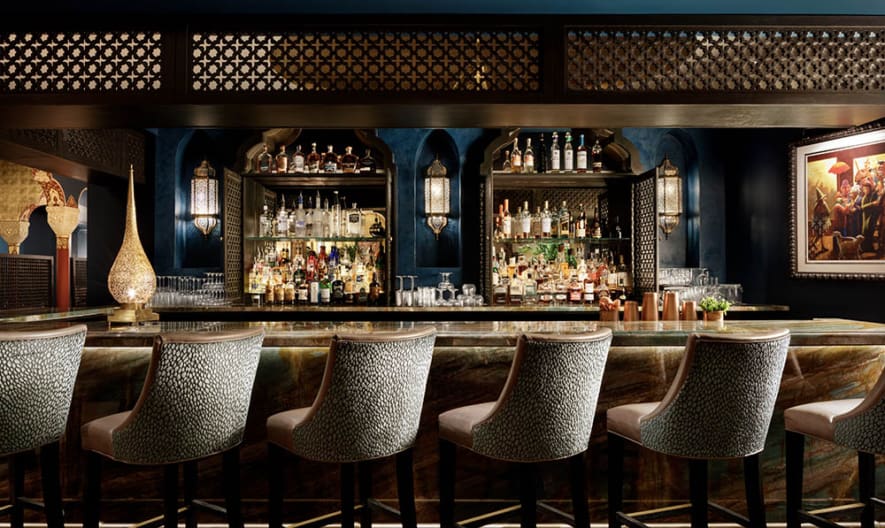
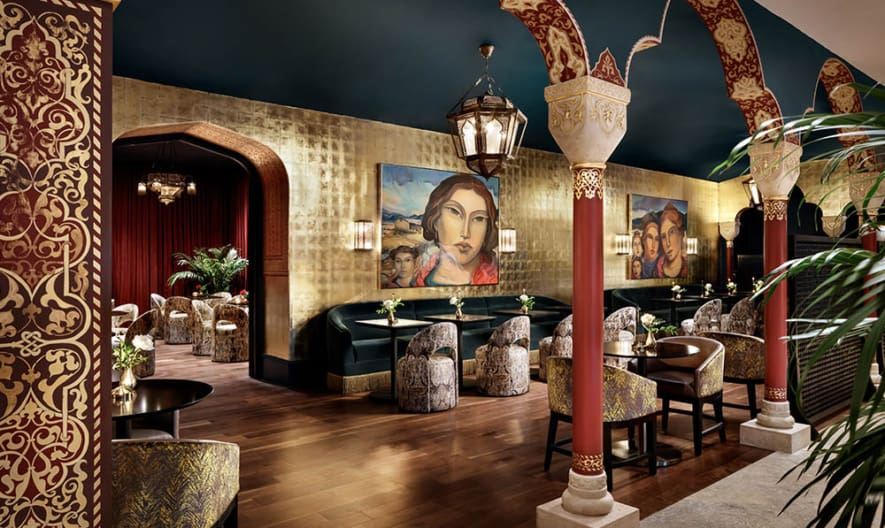
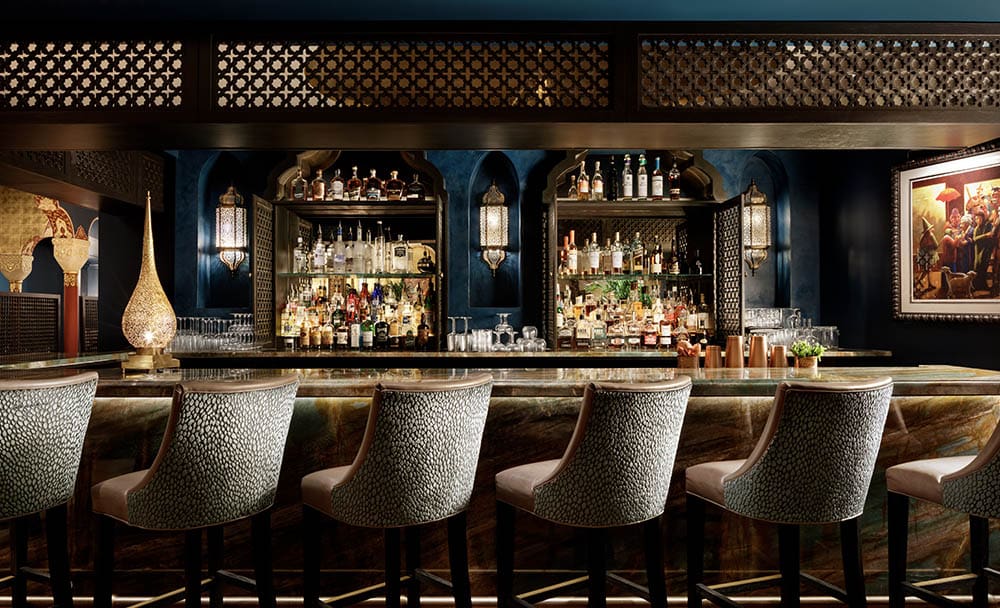
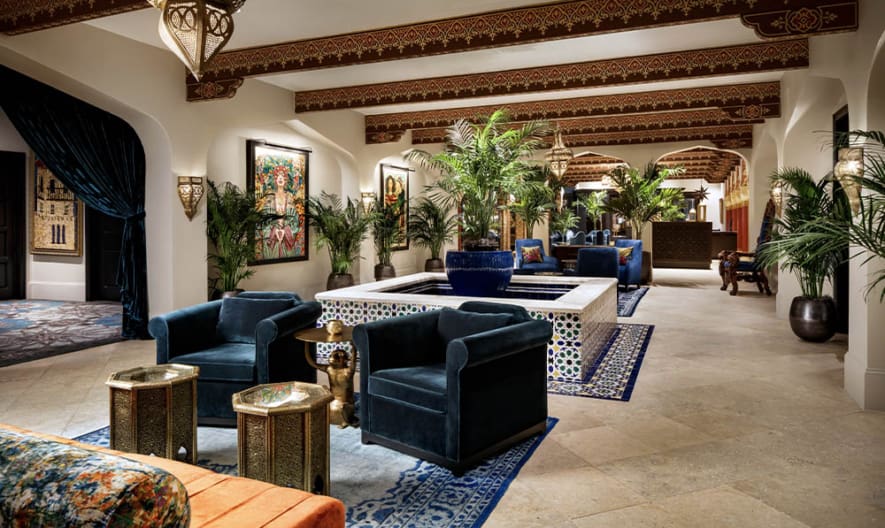
Opening on December 10, 1999, the Casa Monica Hotel was restored to its original name and grandeur, operating once more as a luxurious hotel. Now celebrating 120 years in existence, the Casa Monica Hotel exemplifies the same splendor and service as it did in 1888, maintaining the original historic and majestic style while uniting it to modern luxury.
|